Our Top Charities
We chose these four charities because they can do an incredible amount of good with a very small amount of money. Our decision was informed by independent research by GiveWell and the MIT Poverty Action Lab. GiveWell searches for charities that can save and improve lives the most per dollar. Their recommendations utilize data from randomized controlled trials, in-depth research on the charity’s past and forecasted spending, funding needs, site visits, and interviews with its staff. Each of our four recommended charities has received a top ranking from GiveWell.
Our charities primarily work in sub-Saharan Africa where 35% of people live in extreme poverty, on less than $2.15/day. A little can do a lot when it’s helping people in extreme poverty.
We chose two malaria programs because malaria is responsible for over 500,000 deaths each year and can be prevented for as little as $7. Additionally, one of our malaria programs provides antimalarial medicine while the other provides bed nets, both of which are essential.
Malaria Consortium’s Seasonal Malaria Chemoprevention Program (SMC)
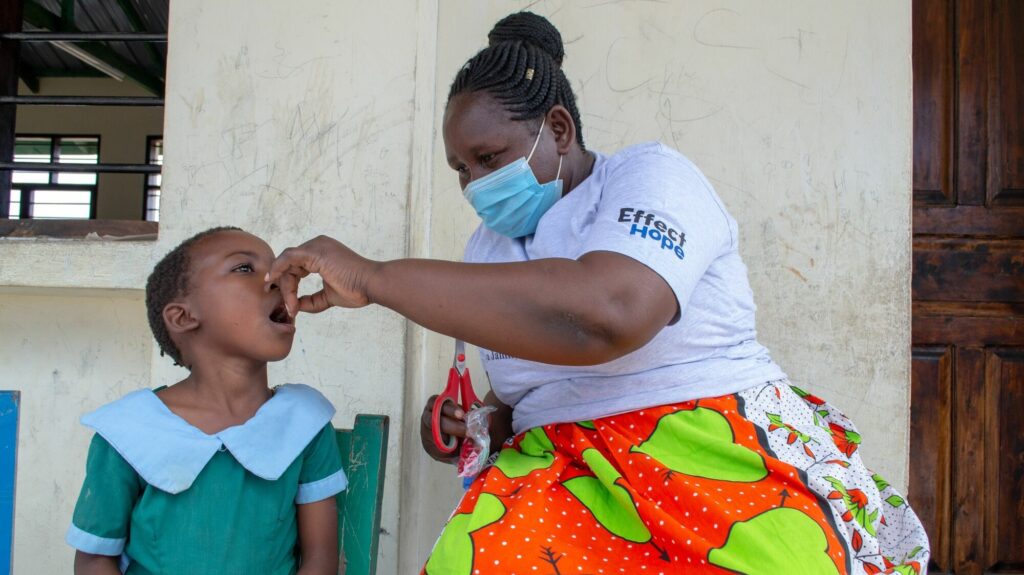
Their award-winning program can protect one child from contracting malaria for just $6.59. They give children antimalarial medicine during peak malaria transmission season.
The World Health Organization (WHO) has recommended SMC as a malaria prevention strategy for children 3–59 months since 2012. A combination of two antimalarials is used in SMC: sulfadoxine-pyrimethamine (SP) and amodiaquine (AQ). SMC is typically delivered door-to-door by volunteer community distributors. In clinical trials, it has been found to prevent up to 75 percent of malaria cases in children under five.
Against Malaria Foundation
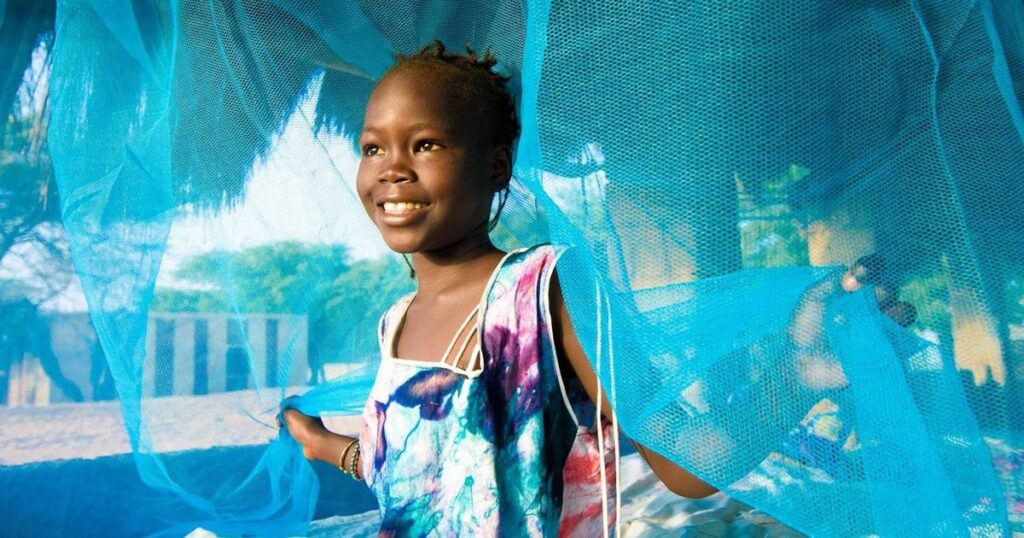
Provides long lasting insecticide treated bed nets to protect people from getting bitten by mosquitos carrying malaria. The nets provide a barrier from getting bitten and kill mosquitos that land on them thanks to the insecticide. Sleeping under a net is critical because mosquitos usually bite between 10PM and 2AM while people are asleep. AMF can provide one net for $4.95 and it lasts for over two years.
Approximately 54% of the people at risk of malaria in Africa don’t have a bed net to sleep under.
Helen Keller International’s Vitamin A Supplementation Program
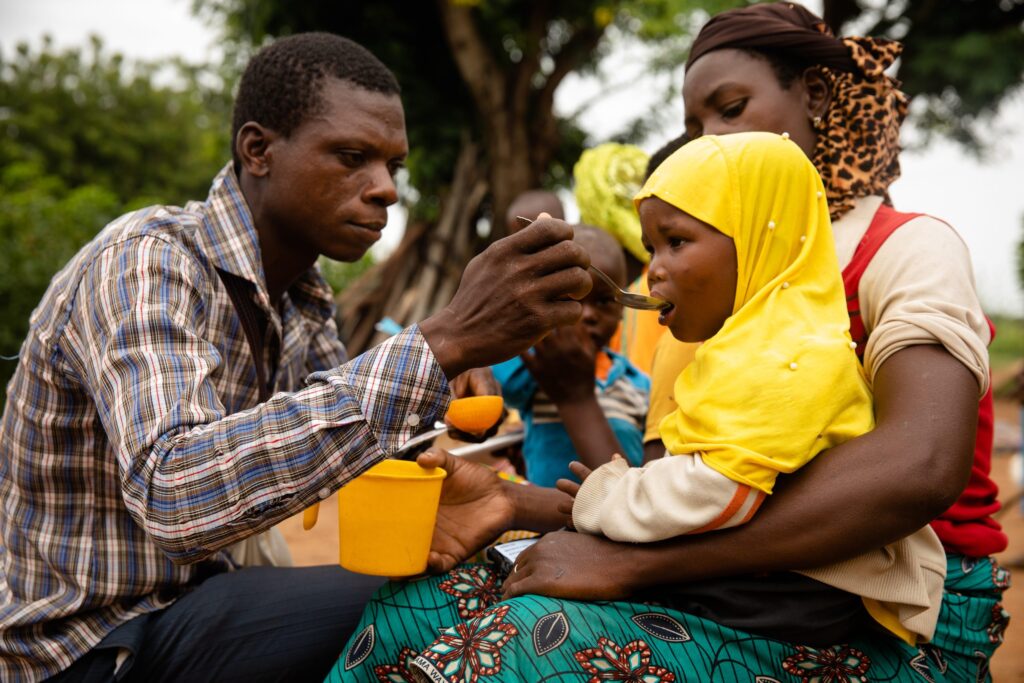
Provides vitamin A supplements, which protect children from vitamin A deficiency – the leading cause of preventable blindness in children. Vitamin A deficiency can also be deadly because vitamin A is essential for a healthy immune system and the body cannot produce vitamin A itself, it must be obtained from diet or supplements.
WHO estimates that 250,000 – 500,000 children go blind each year due to vitamin A deficiency. Sadly half of them die within 12 months of going blind. Evidence shows that vitamin A supplements can also reduce childhood mortality by up to 25%.
It costs just $1.10 to provide a vitamin A supplement and WHO recommends children living in areas with vitamin A deficiency receive a vitamin A supplement every six months from the time they’re six months old to five years old.
GiveDirectly’s Cash Transfer Program – Africa
They give cash with no strings attached to people living in extreme poverty in Africa (earning less than $2.15/day). They believe in letting people decide for themselves how to spend the money rather than giving them something they actually don’t want or need. For the first time in 20 years there’s been an increase in the number of people living below the poverty line due to the pandemic. An increase of 100 million people.
Typically, the first thing they spend the money on is food and other basic necessities, then home improvements like fixing a roof, then productive assets like livestock, and lastly savings or paying back debts. Recipients overwhelmingly use the money to improve their lives. An article from the World Bank Group reviewing 19 studies on the impact of cash transfers on consumption of temptation goods (alcohol, tobacco, etc.) found a negative effect, meaning people actually consumed less temptation goods after receiving cash transfers. And the MIT Poverty Action Lab “found no systematic evidence that cash transfer programs discourage work” from a review of seven randomized control trials of government run cash transfer programs in six developing countries.
How it works
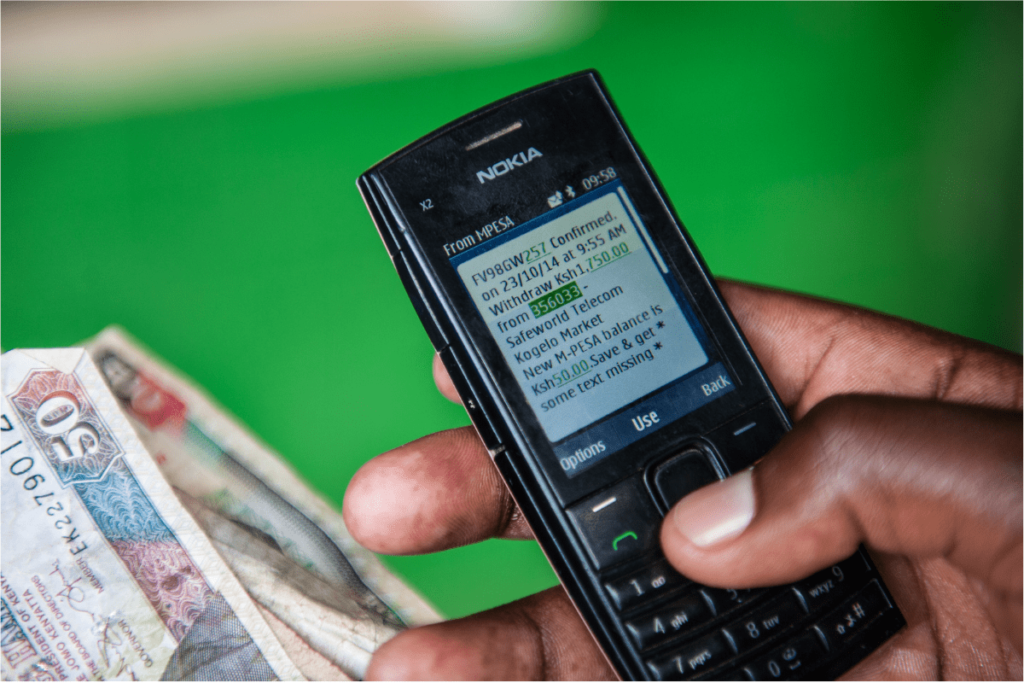
GiveDirectly uses government data to identify villages where most or all residents are living in extreme poverty as defined by the World Bank as earning under $2.15/day. Their staff then goes door to door and enrolls each resident in the cash transfer program. Each household that qualifies (typically 98% qualify) receive a one-time $1,000 USD cash transfer. $1,000 USD is roughly what a family living in poverty in Africa would need to invest to bring their earnings above the extreme poverty line. The money is delivered to their mobile phone and they withdraw the mobile funds as cash from their local agents. If recipients don’t own a mobile phone, then GiveDirectly provides one at no cost. GiveDirectly follows up with each recipient to collect feedback on the process and ensure they received the money. They also have an internal audit team that randomly follows up with recipients to see how they used the money and investigates any fraudulent activity.
Your donation to GiveDirectly through Pepper may also be used to give cash transfers to refugees in Africa. GiveDirectly will distribute the money wherever it is needed most.